+86-15093398255
The Transformation from "Fuel" to "Molecular Trap":
Raw coal (as fuel) Combustion, releasing energy (and pollutants);Dense, low porosity; Processing: Direct use; Reaction with Air: Chemical reaction (oxidation), generating CO₂, SO₂, etc.;
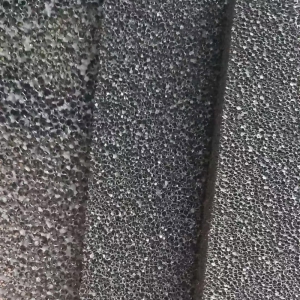
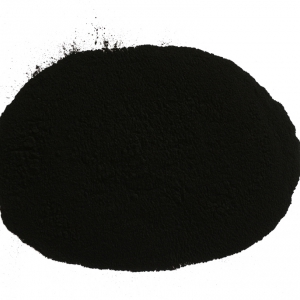
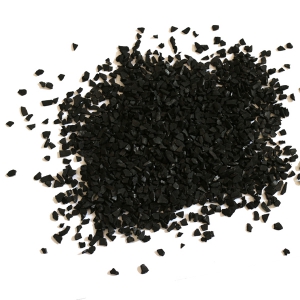
Coal-based activated carbon (as adsorbent) ,Physical adsorption, capturing and locking pollutants; Extremely loose and porous, 1 gram of surface area is equivalent to a football field; Processing: Deep processing such as high-temperature activation; Reaction with Air: Physical interaction (van der Waals forces), binding molecules like a magnet attracts iron filings.
"It's not just simple coal": Coal-based activated carbon is a "synthetic material" made through complex processes such as selection, crushing, molding, high-temperature carbonization, and activation. This process removes volatiles and impurities from the coal and creates a massive microporous structure.
"The core lies in the structure, not the composition": The purification capacity does not primarily come from the "composition of coal," but from the nanoscale pore network formed after activation. These pores act like countless invisible "little hands" or "traps," using weak intermolecular forces (van der Waals forces) to firmly capture harmful gas molecules (such as formaldehyde, benzene, ozone, and odor molecules) passing through their surface.
Unique advantages of coal-based activated carbon for air purification
Excellent pore size matching: Through process adjustments, coal-based activated carbon produces a large number of micropores (<2nm), which perfectly matches the molecular size of common gaseous pollutants such as formaldehyde, benzene, and TVOCs, resulting in extremely high capture efficiency.
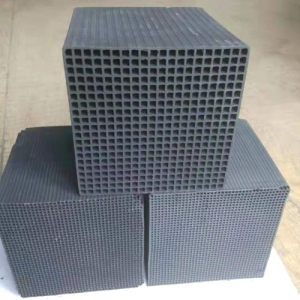
High strength and long lifespan: Coal-based columnar activated carbon has good mechanical strength and is not easily pulverized. It can maintain its shape under the air pressure of air purification equipment, resulting in a longer service life and no secondary dust pollution.
Economical and efficient: With abundant raw materials and mature technology, it has the most advantageous overall cost under the same performance, making it the most widely used type in industrial waste gas treatment and residential air purifiers.
Contextualized applications
For home furnishing customers: "The formaldehyde and paint smell you're worried about in your newly renovated home are precisely these small-molecule organic compounds. Our high-iodine-value coal-based activated carbon is a 'molecular prison' specifically designed for them, continuously adsorbing and slowly releasing them, ensuring safety and reliability."
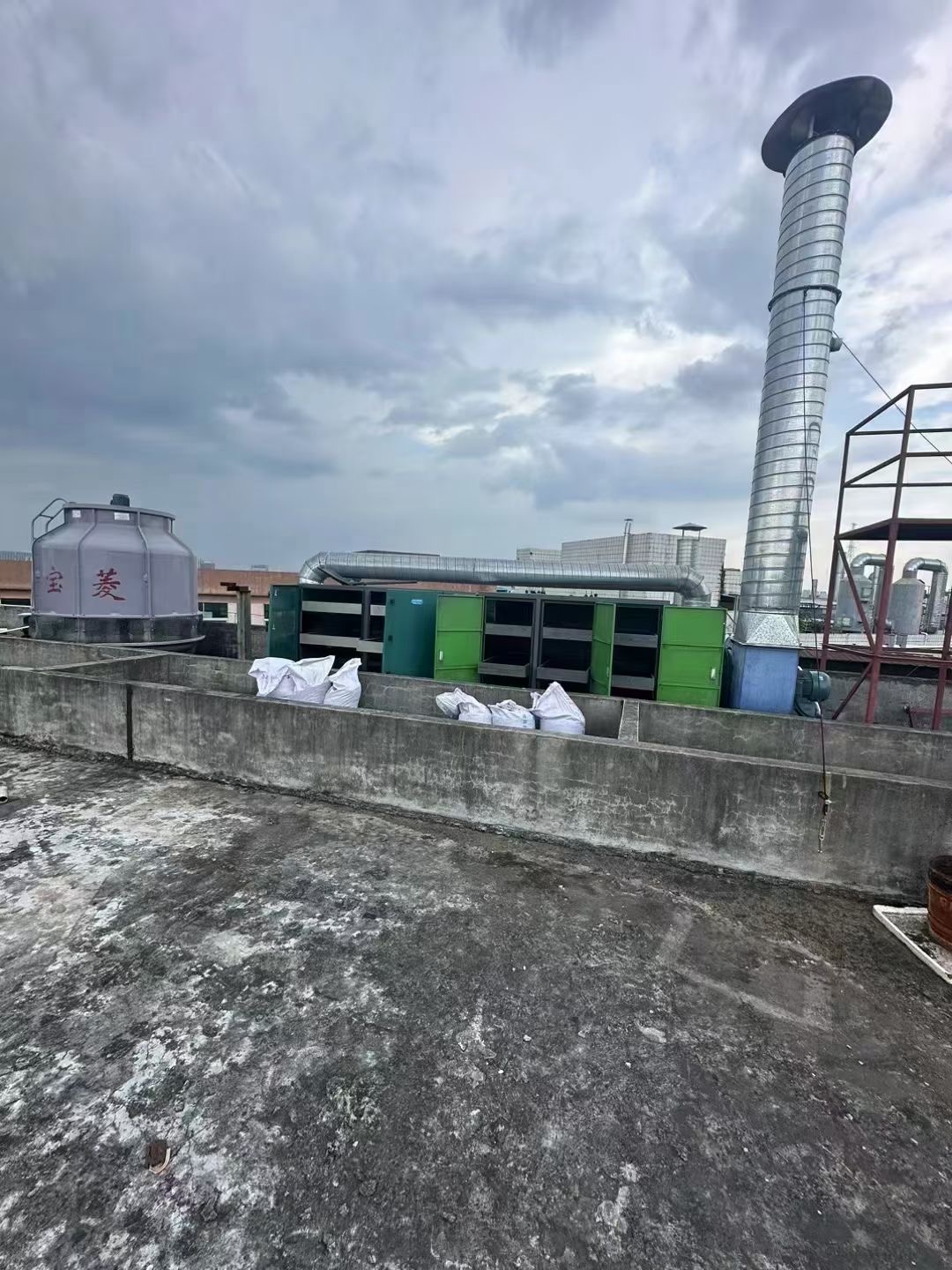
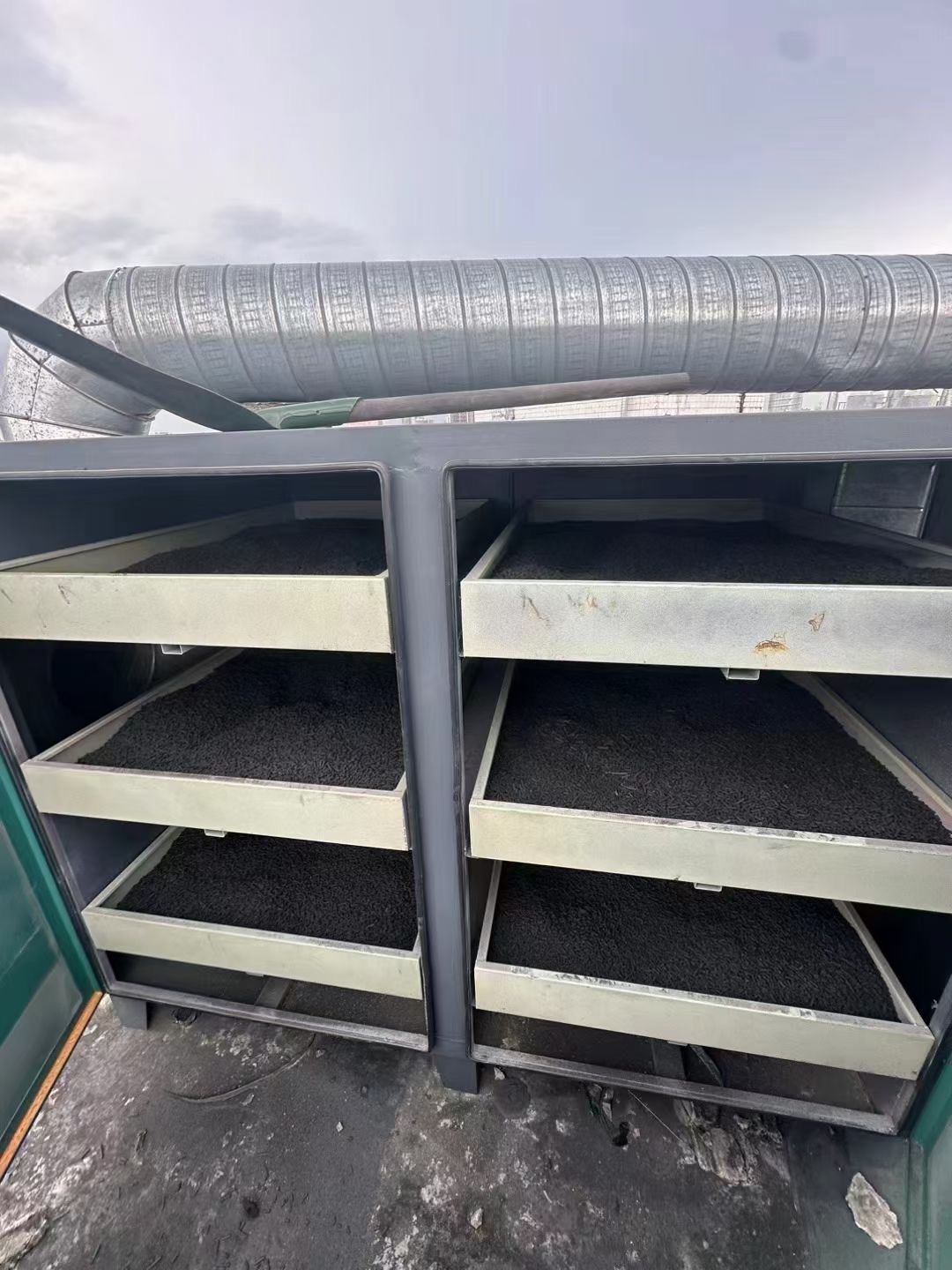
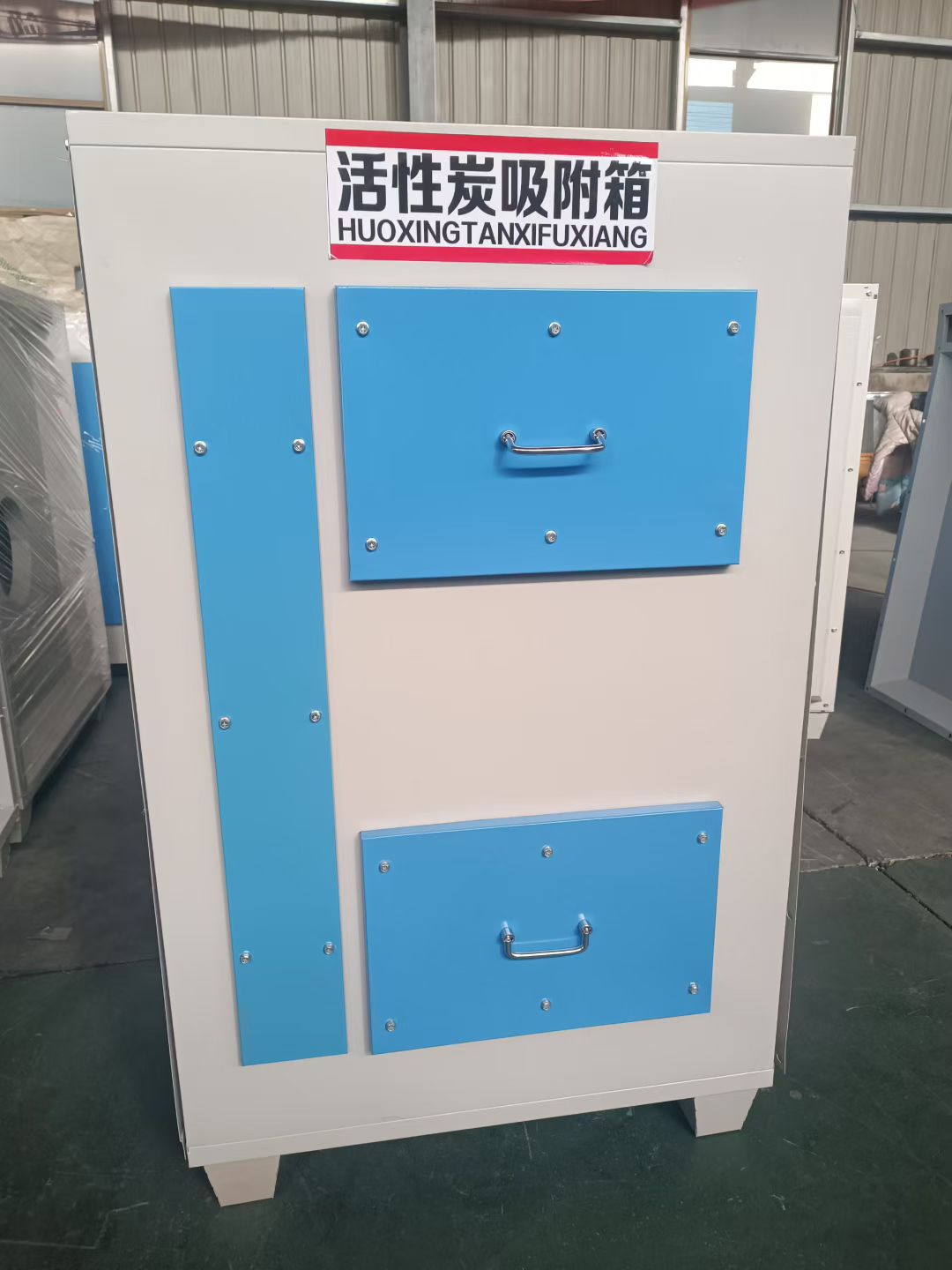
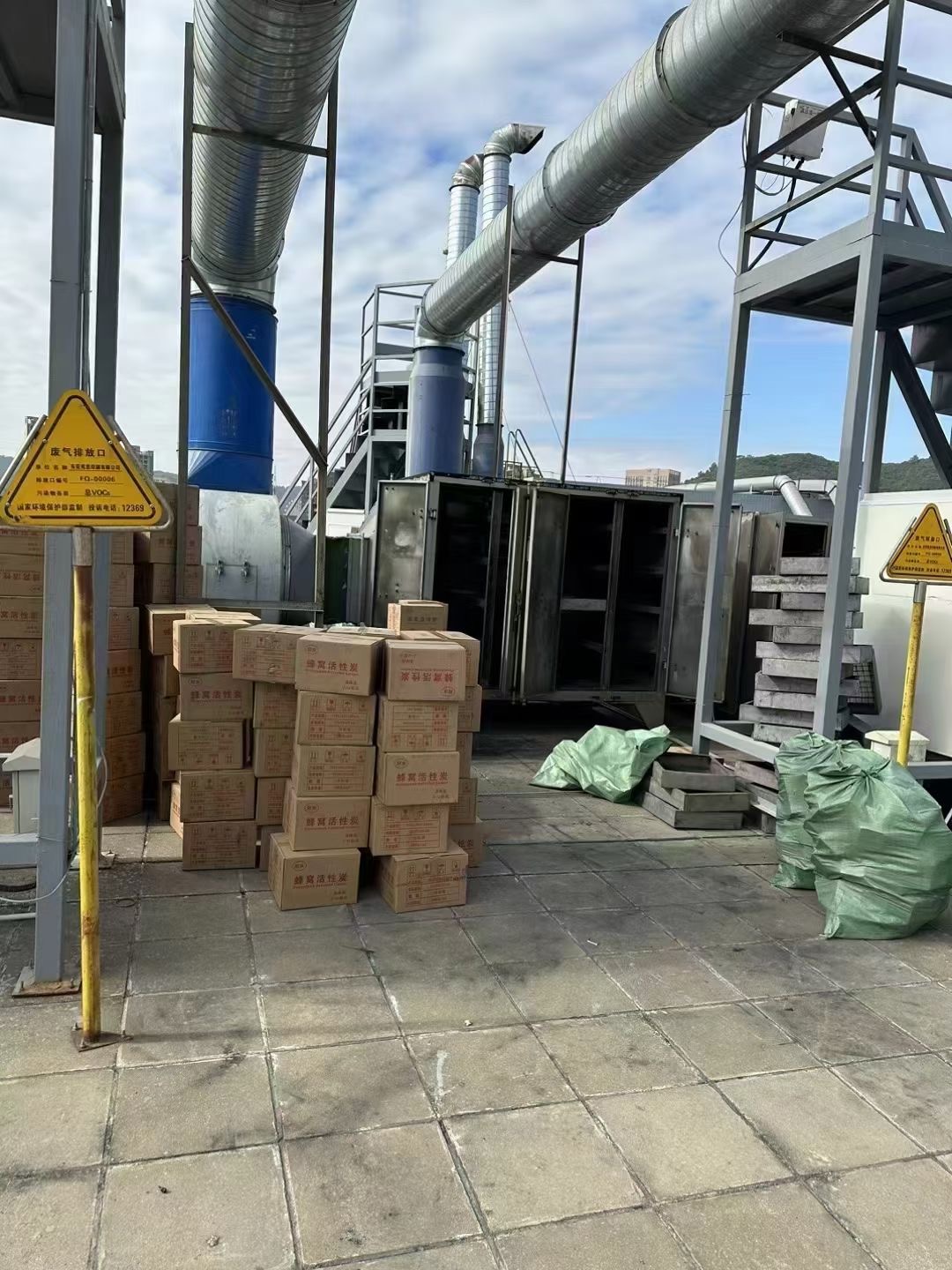
For industrial customers: "The VOCs generated in your factory workshop can be effectively filtered using our 4mm high-strength coal-based columnar activated carbon adsorption tower, which acts like a 'molecular filter.' Pollutants are trapped as the waste gas passes through, while compliant gas is discharged. Further desorption and recovery are possible, achieving a win-win situation for both environmental protection and economic benefits."