+86-15093398255
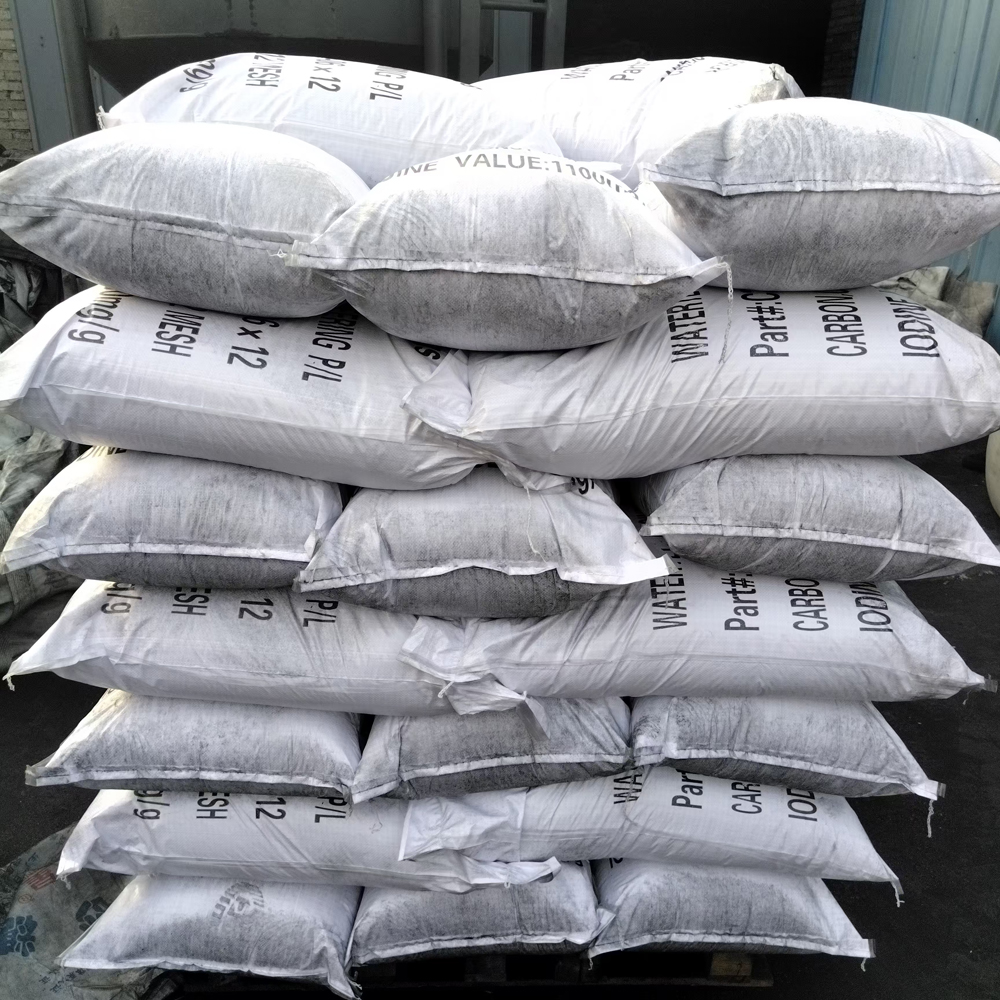
Why is Activated Carbon used before RO?
Mainly for:
✔️ Chlorine removal
✔️ Organic removal
✔️ Taste & odor control
✔️ TOC reduction
Because chlorine can permanently damage polyamide RO membranes.
? Taget before RO:
Free Chlorine = 0 ppm
? EBCT (Empty Bed Contact Time)
One of the most important design parameters in carbon filters.
? Equation:
EBCT = Bed Volume / Flow Rate
? What does EBCT mean?
It represents the theoretical time water spends inside the carbon bed.
Why does this matter?
Because adsorption requires adequate contact time.
No contact time = poor adsorption performance.
? Example:
If:
Bed Volume = 2 m³
Flow Rate = 20 m³/hr
Then:
EBCT = 2 / 20 = 0.1 hr
0.1 × 60 = 6 min
✔️ EBCT = 6 min
---
? Reality Check:
Actual contact time is usually LOWER than theoretical EBCT.
Why?
Because water does not flow perfectly inside the filter.
Problems like:
? Channeling
? Dead zones
? Poor distribution
? Media compaction
cause part of the water to move too quickly through the carbon bed.
? Meaning?
Even if calculations show:
EBCT = 10 min
Some water may actually contact carbon for only:
❌ 3–5 min
This can lead to:
? Chlorine leakage
? Reduced organic removal
? RO membrane exposure to oxidants
Even when the carbon is still relatively new.
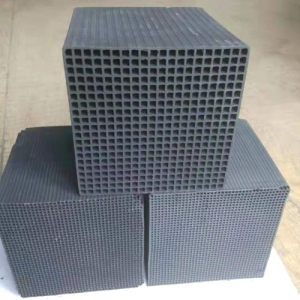
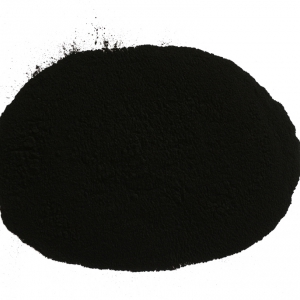
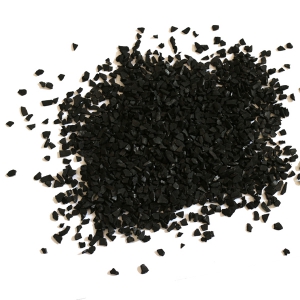
What is Activated Carbon?
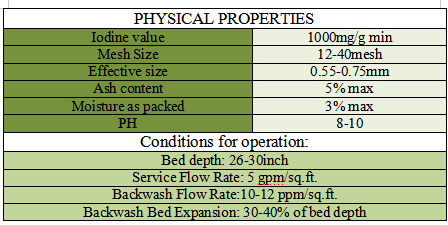
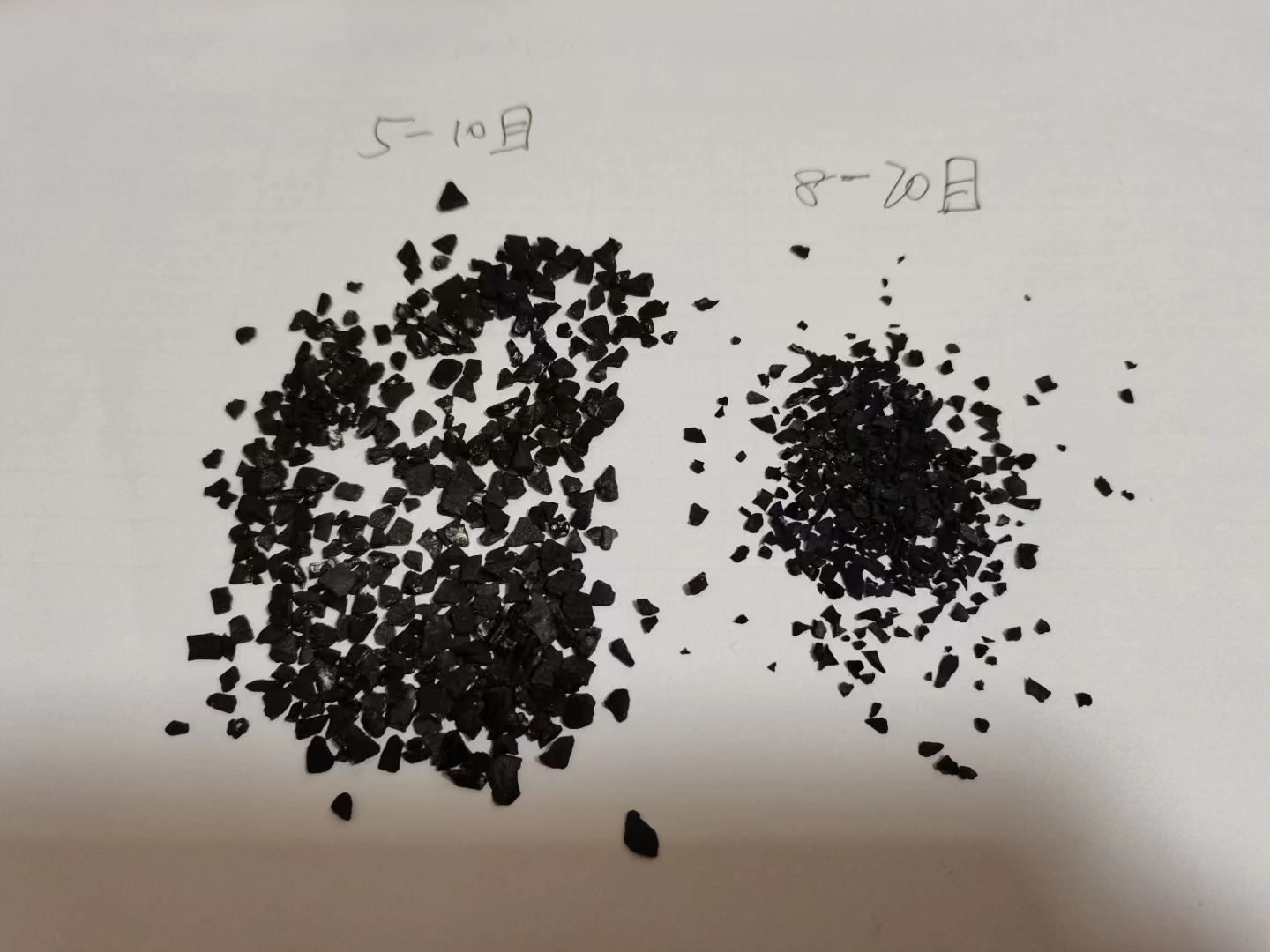
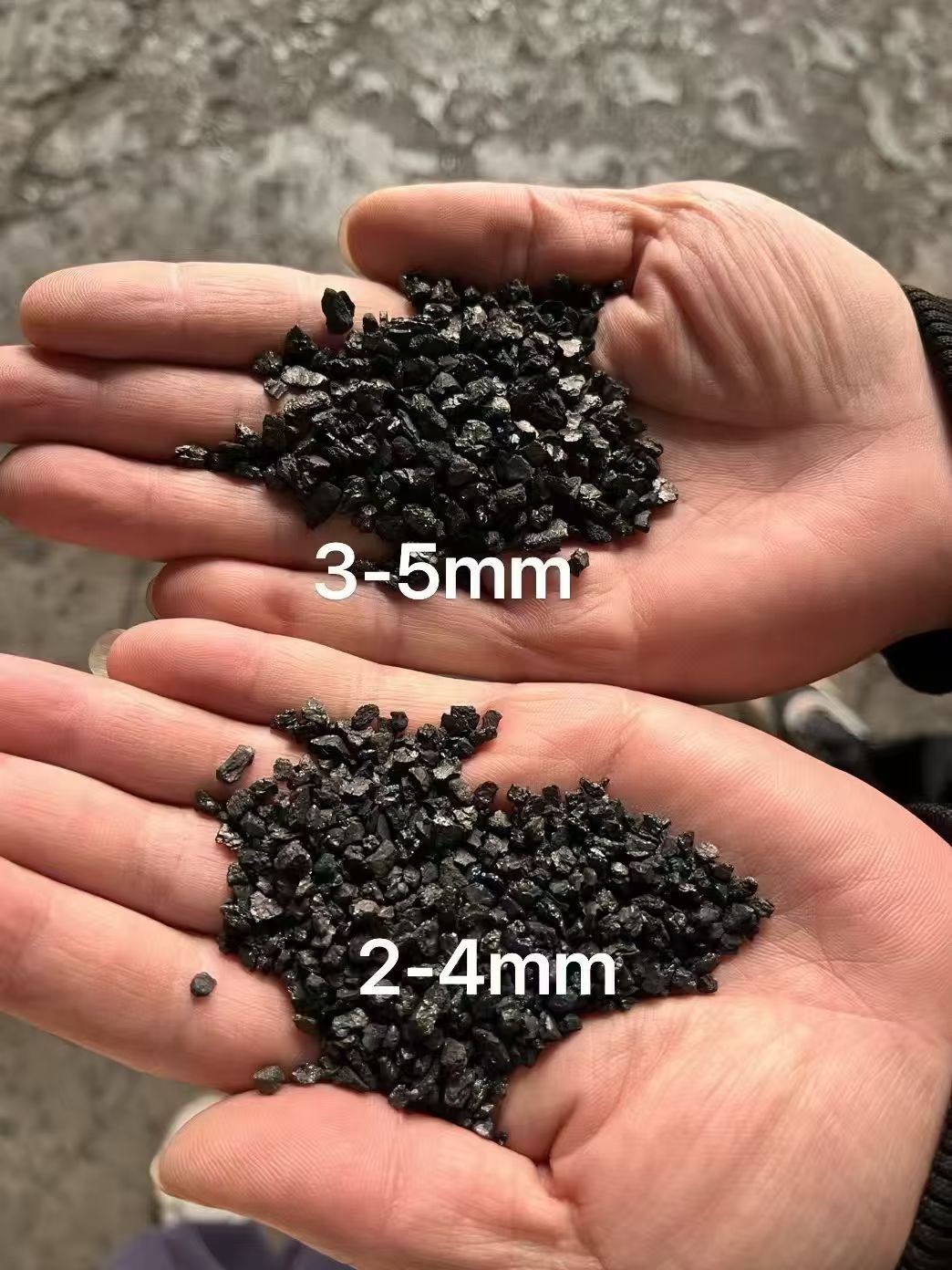
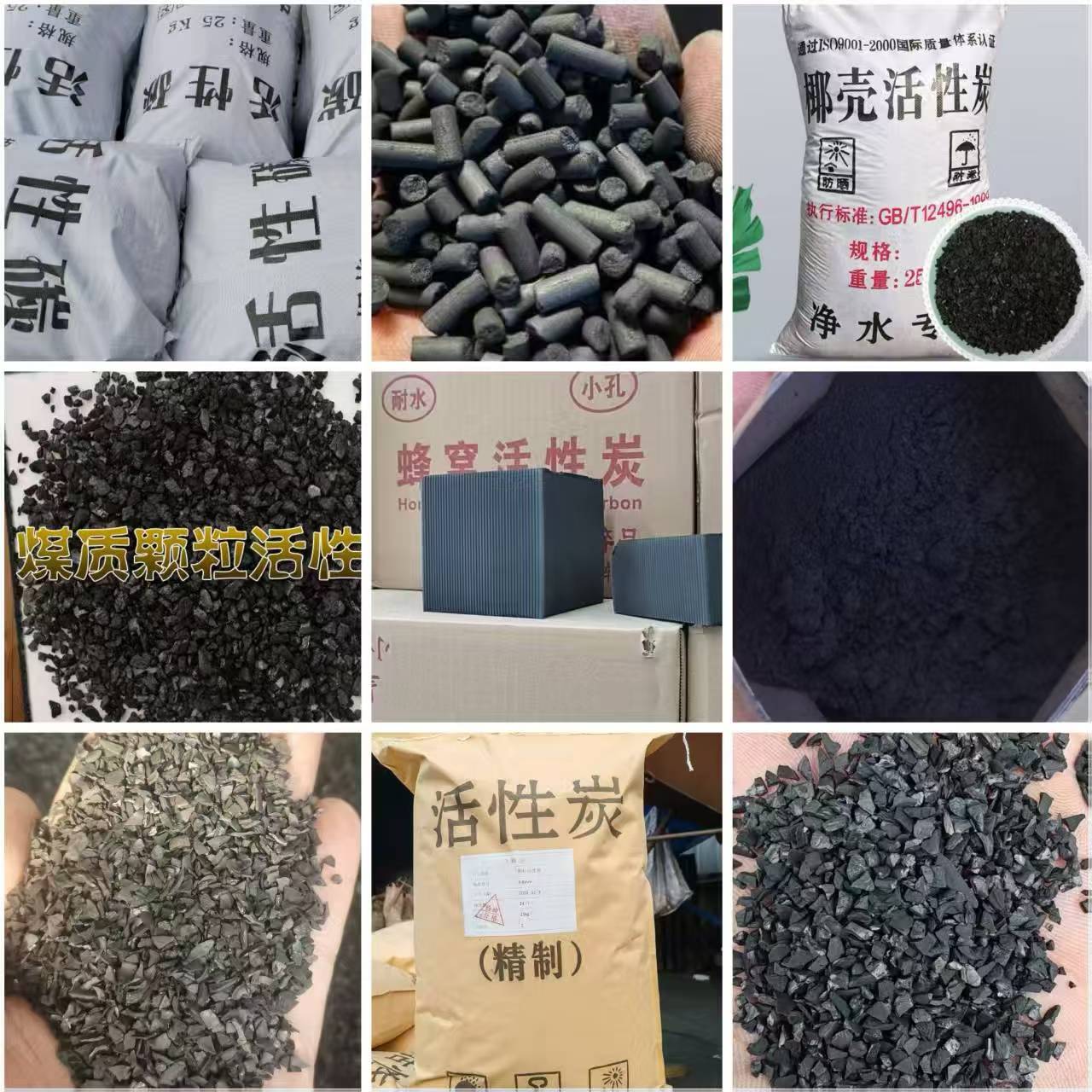
Activated carbon is carbon processed to have:
✔️ Massive surface area
✔️ Huge pore structure
1 gram of activated carbon can have:
? 500–1500 m² surface area
That’s why it is highly effective for adsorption.
Activated carbon works mainly by:
✔️ Chemical protection
✔️ Organic control
✔️ RO membrane protection
✔️ A possible biofouling source if operated badly
⚠️ Another important point:
Activated carbon can become a biological hotspot.
Poor operation may result in:
? Biofilm growth
? Increased bacterial counts
? Biofouling downstream
Activated carbon can protect RO systems…
or contribute to biofouling if not managed properly.
? Smart operation:
✔️ Monitor chlorine after GAC
✔️ Backwash regularly
✔️ Prevent channeling
✔️ Replace exhausted carbon on time
✔️ Design proper EBCT
✔️ Monitor pressure drop & bacterial growth
---
? Pro Insight:
Activated carbon does NOT store contaminants forever.
It becomes exhausted over time.
And remember:
? Water does not follow calculations…
It follows hydraulics.
? Golden Rule:
“Activated carbon without enough contact time…
is just expensive black gravel.”