+86-15093398255
In marine fry hatcheries, heavy metal hazards mainly stem from four sources: naturally excessive iron and manganese in underground brackish water, coastal seawater pollution, metal leaching from corroded pipelines, and residues of copper-based aquaculture pesticides. Copper, zinc, iron, manganese, lead and cadmium are the most common over-limit pollutants. Low concentrations will reduce hatching rate and raise larval deformity rate, while high concentrations can directly cause mass mortality of newly hatched fry.
Below are practical and implementable solutions, sorted by priority (from highest to lowest) and application scenario (from routine operation to emergency response).
Reducing heavy metal intake at the source is the preferred solution for hatcheries, with no chemical risk and no adverse impact on fry.
Water source selectionPrioritize offshore deep seawater and pollution-free underground brackish water; avoid nearshore waters near industrial discharge outlets, ports and dense farming areas. For underground well water, test iron, manganese and total hardness indicators before use.
Facility upgradeEliminate galvanized pipes, copper pipes and ordinary iron pipes, and replace all pipelines with food-grade PE, UPVC or 316L stainless steel pipes to avoid leaching of zinc, copper and iron ions from long-term corrosion.
Production managementReduce the use of heavy metal pesticides such as copper sulfate and zinc sulfate; prioritize physical filtration and plant-derived antiparasitic agents for parasite control. Use formal hatchery feed from qualified manufacturers to avoid heavy metal introduction from low-quality feed.
Heavy metals are separated and removed from water through oxidation, filtration and adsorption, suitable for high-standard water use during hatching.
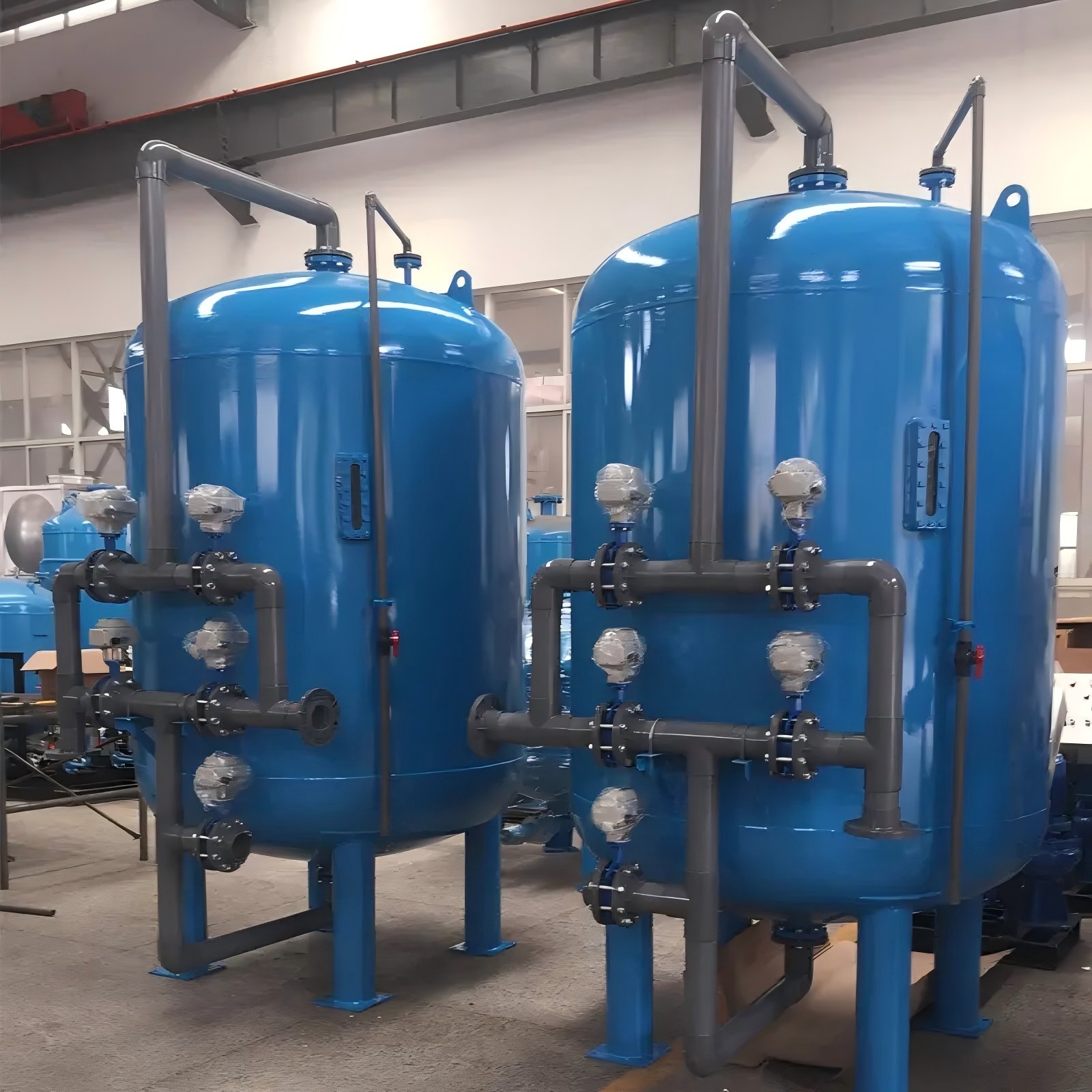
Aeration oxidation + sand filtration — Top solution for excess iron & manganese in underground seawater
Target ions: divalent iron and divalent manganese exceeding standards in underground brackish water / deep well water
Process flow: Water source → Aeration tank (2–4 hours aeration with jet aeration) → Sedimentation → Quartz sand / manganese sand filter → Clean water tank
Principle: Divalent iron/manganese is oxidized into insoluble trivalent iron and tetravalent manganese hydroxide precipitates after oxygenation, which are then intercepted by the sand filter layer.
Selection recommendation: For severely excessive iron and manganese, manganese sand filter media is preferred for much higher removal efficiency than ordinary quartz sand. It features extremely low operating cost and no chemical residue, fully meeting the water quality requirements of the egg hatching stage.
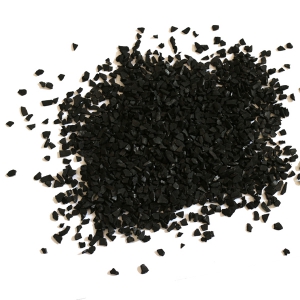
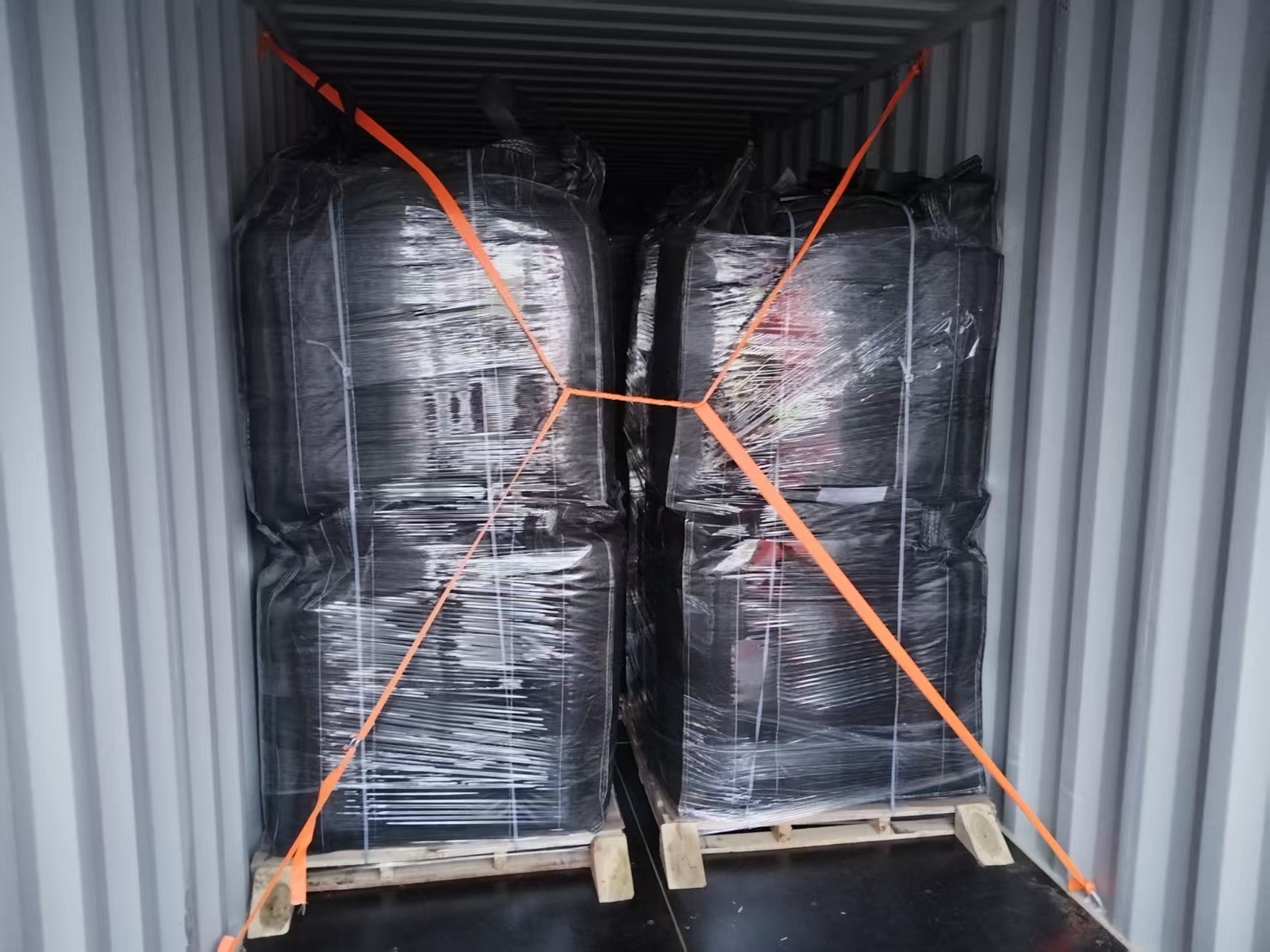
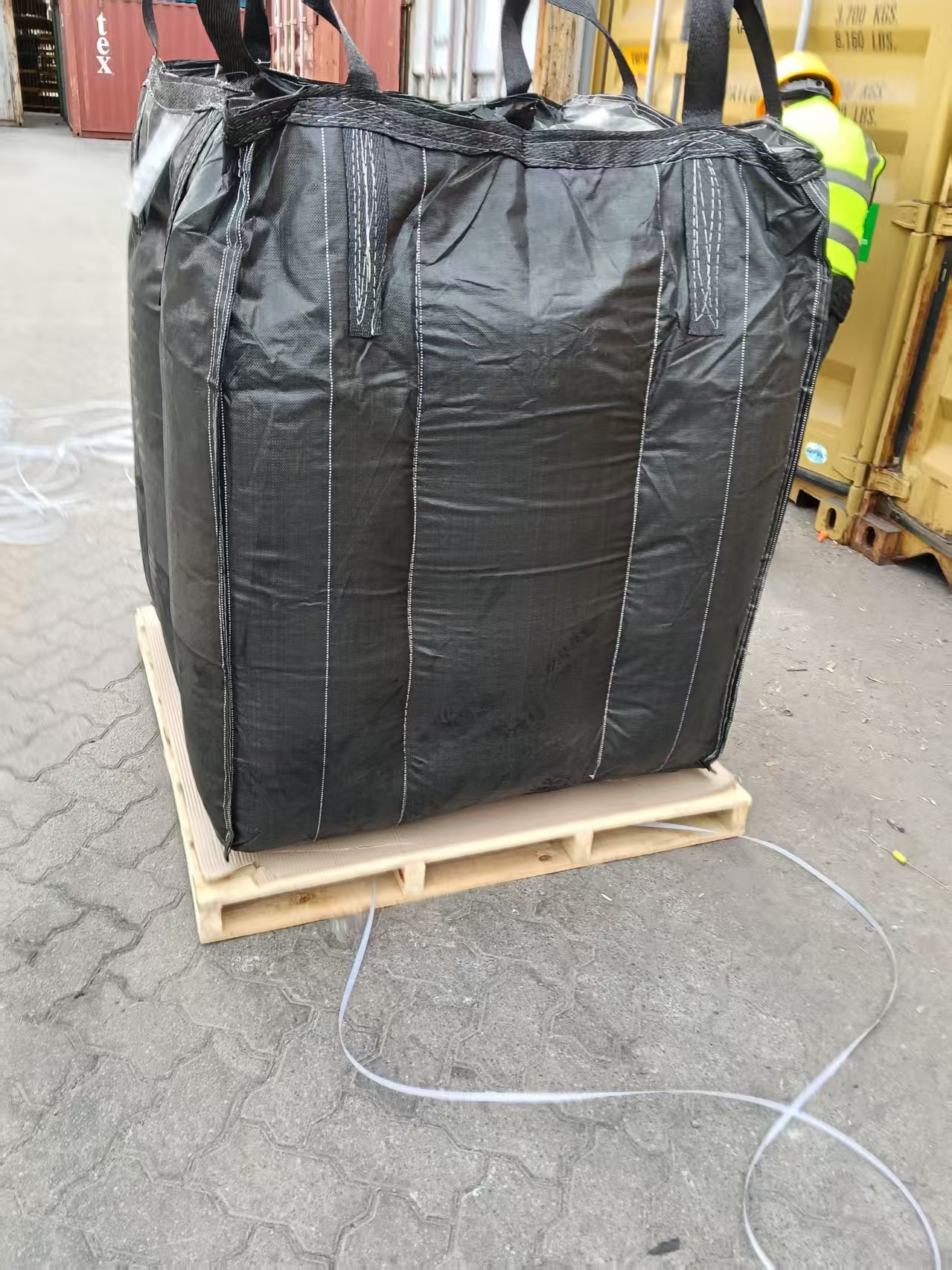
Coconut shell activated carbon adsorption — Standard for advanced purification
Applicable scenarios: Seawater with low-concentration heavy metals, algal toxins and combined organic pollution; usually used as secondary treatment after sand filtration.
Selection and installation: Use seawater-resistant coconut shell activated carbon, packed into filter tanks connected in series with the inlet pipeline.
Operation and maintenance: Replace every 1–2 months under continuous use; shorten the cycle to 20–30 days if the inlet water is heavily polluted. It can also adsorb residual chlorine and pesticide residues and improve water color.
Chelating ion exchange resin — Advanced treatment for recirculating aquaculture systems
Principle: Special heavy metal chelating resin selectively adsorbs toxic heavy metals such as copper, cadmium and lead, with minimal impact on beneficial ions such as calcium and magnesium.
Applicable scenarios: Industrial RAS fry breeding, high-standard cultivation of high-value fry (e.g., grouper, leopard coral grouper).
Installation position: Install as an independent filter tank after the biofilter and before the disinfection unit. The resin can be regenerated and reused repeatedly, with controllable long-term operating cost.
Process flow: Seawater / brackish water intake → Sedimentation tank (sediment removal) → Aeration tank (iron and manganese oxidation) → Manganese sand / quartz sand filtration → Activated carbon filter tank → Clean water tank (EDTA chelation + UV sterilization) → Hatching tank
Core principle: All heavy metal treatment is completed at the water inlet end; no additional chemical agents are added in hatching tanks to maximize hatching rate.
Process flow: Drainage from breeding tank → Drum microfilter (removal of uneaten feed and feces) → Protein skimmer (removal of colloids and organic matter) → Biofilter (ammonia nitrogen degradation + biological immobilization of heavy metals) → Activated carbon / chelating resin filter tank → UV sterilization → Return to breeding tank
Routine maintenance: Test heavy metal indicators once a week, supplement fulvic acid-based chelating agents once a month, and check the loss of activated carbon / filter media every quarter.
Immediately stop raw water intake and turn on all aeration facilities to avoid fry mortality caused by stress.
Splash aquaculture-grade EDTA-2Na evenly across the whole tank at a dosage of 2–3 g/m³. For severe exceedance, supplement half the dosage after 4 hours.
Slowly add pre-treated clean seawater to gradually replace the polluted water.
Apply vitamin C and glucose to alleviate toxic stress of fry.
Investigate the source of exceedance (water source / pipeline / pesticide residue) afterwards and eliminate the root cause.